If your Riverbank home will hit the market in the next few months, the biggest wins usually come from the basics done well. Buyers often see your home online before they ever step through the door, and in California, sellers also need to be ready with key disclosures and property records. When you prepare both the home’s look and its paperwork early, you can reduce stress and create a smoother path to market. Let’s dive in.
Why market-ready matters in Riverbank
In today’s market, your listing needs to work in two ways at once. It has to look appealing in photos and showings, and it also needs to inspire confidence through organized disclosures and records.
National buyer data shows that 41% of buyers first looked online for properties, and 52% found the home they purchased on the internet. Buyers also searched for about 10 weeks and viewed a median of seven homes, which means your home needs to make a strong impression quickly.
Riverbank sellers should also keep local property standards in mind. The City of Riverbank Community Development Department actively maintains properties under the Municipal Code, and the Building Division oversees permitting and inspections for safety and code compliance. That makes visible maintenance and permit history especially important.
Start with what buyers notice first
Most buyers will form their first impression from listing photos, not from your front door. That is why cleaning, decluttering, and presentation should happen before photography is scheduled.
Recent staging research found that the most common seller recommendations were decluttering the home, cleaning the entire home, and improving curb appeal. The same research also found that staging helped many buyers better imagine the home as their future residence.
For Riverbank sellers, that means you do not always need a major remodel. In many cases, a clean, neutral, well-maintained home will do more for your sale than an expensive update started too late.
Focus on the rooms that matter most
Not every room needs the same level of effort. If your time or budget is limited, start with the spaces buyers care about most.
Research shows buyers paid the most attention to the living room, primary bedroom, and kitchen. Those are often the rooms that appear most prominently in listing photos and shape the overall feel of the home.
Living room
Your living room should feel open, bright, and easy to understand. Remove bulky furniture, clear extra decor, and create a simple layout that shows how the room functions.
A clean, uncluttered living area can make the home feel larger in photos. It also helps buyers focus on the space itself instead of your belongings.
Primary bedroom
The primary bedroom should feel restful and spacious. Fresh bedding, clear surfaces, and a neutral color palette can go a long way.
If the room feels crowded, remove extra furniture or oversized pieces. Buyers respond better when they can see the scale of the room and picture how they would use it.
Kitchen
In the kitchen, clear counters make a big difference. Store small appliances, reduce personal items, and keep the space spotless.
If paint or finish touch-ups are needed, simple neutral refreshes are usually more helpful than bold style choices. The goal is to make the kitchen feel clean, functional, and move-in ready.
Declutter before you decorate
Decluttering is one of the highest-value steps you can take. It helps your home photograph better, show better, and feel easier for buyers to imagine as their own.
Pack away personal photos, collections, and anything that makes the room feel busy. Closets, shelves, counters, and entry areas should all look organized and lightly furnished, not packed full.
This step also makes moving easier later. As a bonus, it gives you a head start on packing without making the home feel empty.
Clean like photos are tomorrow
A deep clean is not optional if you want strong online presentation. Buyers notice dust, smudges, stained grout, and dull surfaces very quickly in photos and in person.
Prioritize floors, windows, baseboards, bathrooms, kitchens, and light fixtures. Fresh towels, clean bedding, and sparkling surfaces can make your home feel far more cared for.
If you only do one thing before listing, make the home cleaner than you think it needs to be. Cleanliness supports every other part of your prep.
Improve curb appeal without overdoing it
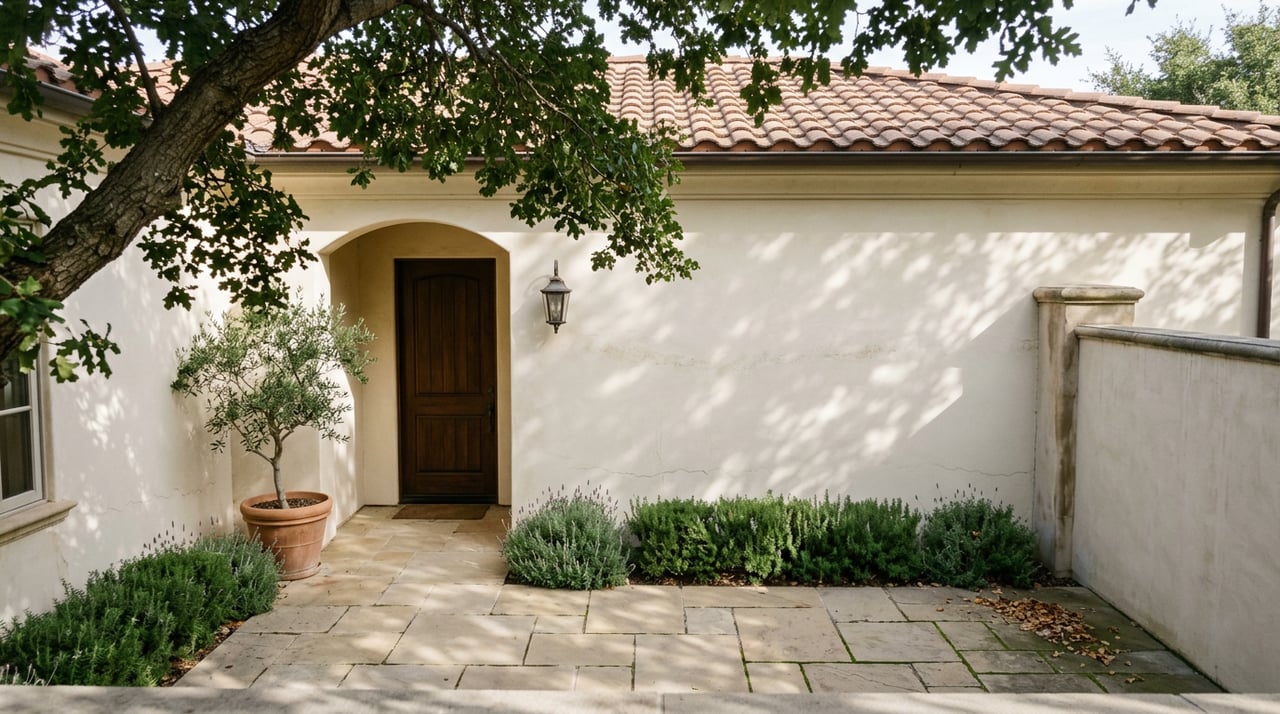
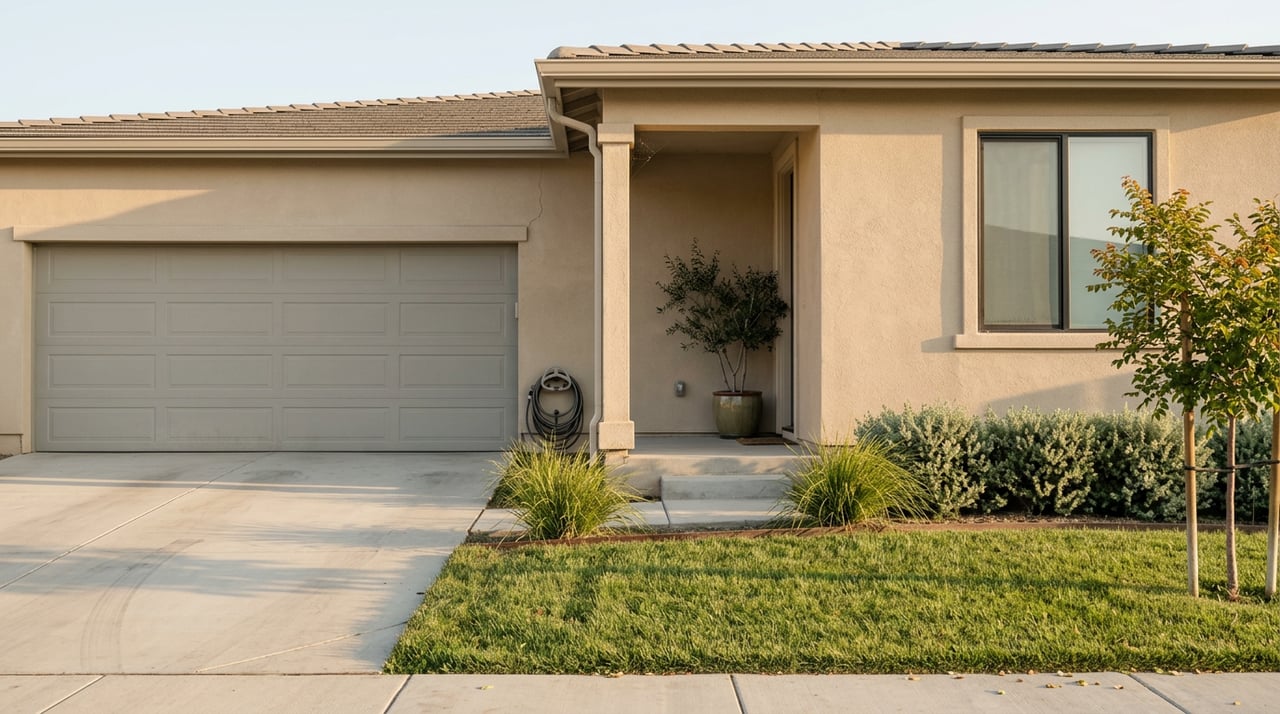
Your exterior sets the tone before a buyer ever enters the home. In Riverbank, visible exterior maintenance matters not only for first impressions but also for buyer confidence.
Simple steps often work best. A clean front mat, modest landscaping, trimmed growth, and a tidy entry can make the home feel welcoming right away.
Walk the front of your property with a buyer’s eye. If you notice peeling paint, worn hardware, obvious deferred maintenance, or clutter, handle those items early.
Gather disclosures and records early
A market-ready home in California is not just clean and staged. It also comes with the right information ready to go.
California sellers of one-to-four unit residential property are subject to disclosure requirements about the home’s condition and potential hazards or defects. Disclosures may also include taxes, assessments, and other factors that could materially affect value or desirability.
Starting early gives you time to find missing paperwork and resolve questions before your listing goes live. That can help you avoid delays once a buyer is interested.
Permit records
If you have completed visible work on the home, gather permit records now. Riverbank and Stanislaus County both maintain permit systems and online permit research tools, and Stanislaus County notes that permits are required for new construction, additions, alterations, upgrades, rebuilding, or remodeling.
This is especially important if a buyer may ask about a remodeled kitchen, patio cover, room addition, HVAC upgrade, or other improvements. Incomplete records can slow a sale and raise avoidable questions.
Recent contractor work
If you took title within the last 18 months, California now requires disclosure of certain contractor-performed room additions, structural modifications, alterations, or repairs totaling $500 or more. Sellers may need the contractor’s name and copies of permits for that work.
That makes invoices, receipts, permit copies, and contractor contact information important items to collect well before listing.
HOA documents
If your property is part of an HOA or common-interest development, request the association documents early. California law requires sellers to provide governing documents and other association disclosures, including assessment and reserve funding summaries and certain notice or violation records.
These packages can take time to obtain, so it is smart to start early rather than wait until you are under contract.
Hazard and lead disclosures
California natural hazard disclosure rules apply when a property is in designated hazard zones. The disclosure statement for single-family residential property now must say whether the home is in a high fire hazard severity zone, so it is wise to verify that early.
If your home was built before 1978, federal law requires disclosure of any known lead-based paint information, available records and reports, and delivery of the EPA pamphlet before the sales contract is signed.
Do a basic safety check before photos
A few simple compliance items are easy to overlook, but they matter. Before photography and showings begin, verify that required safety devices are in place and working.
California requires an operable smoke alarm in sold single-family dwellings and a written statement of compliance from the seller. Carbon monoxide devices are also required in dwellings with a fossil-fuel heater or appliance, a fireplace, or an attached garage.
California also requires water-heater bracing with a seller certification of compliance. These are small items, but checking them early can prevent last-minute scrambling.
Use a simple pre-list timeline
If you are planning to sell in the next few months, a clear sequence can make the process feel much more manageable.
60 to 90 days before listing
- Verify permit history
- Gather records for repairs, upgrades, and contractor work
- Request HOA documents if they apply
- Start pulling together disclosure information
30 to 45 days before listing
- Declutter room by room
- Deep clean the entire home
- Refresh curb appeal
- Focus on the living room, primary bedroom, and kitchen first
1 to 2 weeks before photography
- Confirm smoke alarms, carbon monoxide devices, and water-heater bracing
- Finish final touch-ups
- Complete staging and final cleaning before photos or video
Before the first showing
- Keep the home spotless
- Minimize bulky furniture
- Make the entry simple and welcoming
- Store away daily-use items that create visual clutter
Keep your budget in the right places
You do not need to spend blindly to get your home market-ready. Research on staging costs suggests a practical budget hierarchy.
Fix obvious issues first. Then clean, declutter, and use neutral updates where needed. Professional staging can help in some cases, but many sellers get strong results by focusing on presentation basics and the rooms that matter most.
The Riverbank takeaway
For most Riverbank sellers, getting market-ready is less about taking on a big renovation and more about following a smart sequence. Clean up what buyers can see, organize the spaces they care about most, and gather the records California buyers will expect.
When your home looks polished online and your paperwork is ready behind the scenes, you put yourself in a much stronger position from day one. If you want a personalized plan for your Riverbank sale, Lisa Vandermeer can help you prepare, price, and present your home with a concierge-level approach.
FAQs
What should Riverbank sellers do first before listing a home?
- Start by gathering permit records, disclosure information, and HOA documents if they apply, then move into decluttering, deep cleaning, and curb appeal improvements.
Which rooms matter most when preparing a Riverbank home for sale?
- The living room, primary bedroom, and kitchen usually deserve the most attention because buyer research shows those spaces matter most during home shopping.
Do Riverbank homeowners need permit records before selling?
- If your home has had additions, alterations, upgrades, remodeling, or other visible work, having permit records ready can help answer buyer questions and avoid delays.
What disclosures are important for California home sellers in Riverbank?
- California sellers should be ready to disclose the home’s condition, potential hazards or defects, applicable hazard-zone information, HOA information if relevant, and lead-based paint information for homes built before 1978.
How important are listing photos when selling a Riverbank home?
- Very important, because many buyers start online, many find the home they purchase on the internet, and photos are one of the most useful features during the search process.