Selling land in Sonora is rarely about putting up a sign and waiting for offers. Buyers looking at acreage in Tuolumne County usually want clear answers about access, legal use, water, septic, and what the property can realistically support. If you want a smoother sale and stronger buyer confidence, the best thing you can do is reduce uncertainty before you list. Let’s dive in.
Why land prep matters in Sonora
A house is easy for buyers to picture. Raw land is different.
With vacant land or acreage, buyers often need help understanding what they are really buying. In the Sonora area, that usually means confirming the parcel’s APN, access route, zoning, utilities, and any existing records tied to the property.
Tuolumne County’s GIS tools can help you pull parcel, zoning, road, fire, water, and utility-related layers. Still, the county notes that parcel data are approximate and should not be used for exact measurement or design work, so it is important to treat online maps as a starting point rather than the final word.
Start with the basics buyers ask first
Before you spend money on major improvements, focus on the questions that come up most often. Rural buyers usually care less about polished appearance and more about whether the land is usable, legal, and easy to understand.
That means your first priorities should be access, utilities, water, septic, zoning, topography, and records. When those pieces are organized, your property becomes much easier to market with confidence.
Confirm the APN and parcel identity
Many vacant parcels in Tuolumne County do not have a street address. That means buyers, title companies, and service providers may start with the assessor’s parcel number instead.
Make sure you have the correct APN, deed, and legal description ready. If there is any confusion about the parcel identity, that issue can slow down showings, research, and contract discussions.
Verify zoning and legal use
Do not assume buyers will accept broad claims like "buildable" or "ready for anything." Tuolumne County Planning is the place to confirm zoning, permitted uses, and any land-use constraints.
County guidance also notes that zoning layers are derived from parcel data and that exact boundaries can lag when parcels have been divided or merged. If your marketing depends on a specific use or parcel status, make sure the paper trail supports it.
Make the land easier to see and understand
Acreage often shows best when it feels accessible and readable. You do not need to over-improve the property, but you do want buyers to see its layout and potential without guessing.
A simple cleanup can make a major difference in how serious buyers respond.
Clean up without overworking the site
Remove trash, abandoned equipment, unsafe fencing, and deadfall that distract from the property. If the parcel has become cluttered over time, buyers may assume there are larger maintenance or code issues waiting underneath.
Tuolumne County Code Compliance identifies illegal solid-waste storage as a common complaint. If brush disposal could involve burning, check local burn-permit guidance first before clearing the site.
Make access obvious
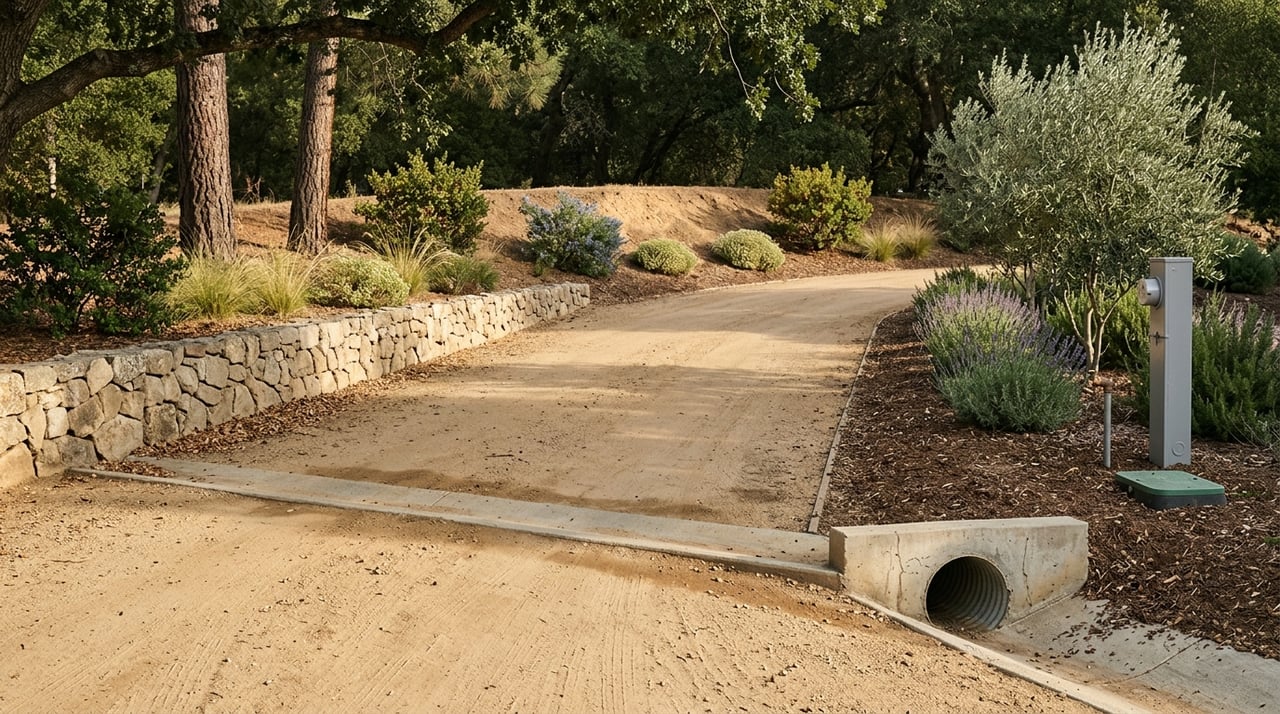
If the driveway entrance is overgrown or hard to spot, buyers may question whether the parcel is practical to use. Trim back vegetation, clearly identify the gate, and make the route into the property easy to follow.
This matters even more in the Sonora area because road conditions can change with storms, snow, and seasonal closures. Buyers will want to know not just how to reach the land, but how dependable that access is throughout the year.
Highlight the usable areas
If there is a natural homesite, a graded pad, an open meadow, or a cleared section near utilities, make sure that is visible. Buyers often struggle to interpret raw terrain, especially when brush or uneven growth hides the most functional parts of the parcel.
You are not trying to oversell the land. You are helping buyers quickly understand what is already usable and what may need more investigation.
Document access, utilities, and improvements
In rural sales, documentation can be just as important as the land itself. A buyer may love the setting, but unanswered questions about water, septic, or road access can weaken interest fast.
The more clearly you can present the property’s infrastructure, the easier it is for buyers to move forward.
Clarify legal and physical access
Buyers usually want to know whether access is legal, whether the driveway is usable, and whether the route is likely to be reliable year-round. If access crosses another property or depends on an easement, gather those recorded documents early.
If any driveway or utility work touches a county road right-of-way, Tuolumne County Public Works generally requires an encroachment permit. That is worth understanding before you advertise access improvements.
Gather water and well information
For many Sonora-area parcels, water is one of the first deciding factors. If the property has a well, collect the well completion report if available and recent water test results if you have them.
Tuolumne County Environmental Health oversees new drinking-water wells, and the State Water Board recommends annual domestic well testing. If there is no well, be ready to explain what is known and what still needs to be explored.
Organize septic records
If the parcel has septic approval, a septic permit, or as-built records, pull those documents together before listing. If there are questions about system condition or prior approvals, it is better to identify them early than have them surface later in escrow.
Environmental Health is the key local office for onsite wastewater systems. Buyers often see septic documentation as a major value point because it reduces guesswork.
Note power and other utilities
Write down what you know about electric service, propane, internet options, irrigation lines, or other utility-related improvements. Even partial information can help buyers understand the cost and effort involved in making the land usable.
Tuolumne County GIS includes utility-related layers that can help with general orientation. Just remember that county mapping is not survey-grade and should be backed up with records when possible.
Resolve issues before you list
Problems rarely get smaller once the property is on the market. If you already know there may be permit, code, or boundary issues, handling them early usually puts you in a stronger position.
This is one of the most practical ways to protect your timeline and your negotiating leverage.
Check permit history for improvements
If the land includes sheds, barns, fencing, grading, or other improvements, look into permit history where needed. In unincorporated Tuolumne County, Building and Safety reviews building permits for structures and additions.
Even when an improvement seems minor, buyers may ask whether it was properly permitted. Clear answers build trust.
Address code concerns early
Unpermitted structures, failed septic systems, or ongoing cleanup problems can become major sticking points. Tuolumne County Code Compliance handles a range of land-use complaints, so it makes sense to resolve known issues before the property hits the market.
If a problem cannot be fixed right away, clear disclosure and documentation are usually better than leaving buyers to discover it on their own.
Verify boundary changes and survey records
If the parcel has gone through a lot line adjustment, parcel map, boundary line adjustment, or certificate of compliance process, confirm that the record is complete. The County Surveyor handles many of these applications and records.
This matters because online parcel layers may not reflect every recent change right away. When in doubt, recorded maps and survey-related documents carry more weight than a rough online outline.
Build a strong listing package
A good land listing answers questions before buyers have to ask them. That makes your property easier to understand online and easier to evaluate in person.
For Sonora-area acreage, that kind of preparation can help support pricing because buyers can see the parcel’s practical use more clearly.
Include the records that matter most
A strong seller packet may include:
- APN
- Recorded deed
- Legal description
- Preliminary title report or lien search
- Easement documents
- Parcel map or survey
- Well completion report
- Recent well-water test results
- Septic permits or as-builts
- Permits for sheds, barns, fences, or grading work
These are the kinds of records buyers, title companies, lenders, and contractors often want to review. Having them ready can save time and help your listing stand out.
Use visuals that reduce guesswork
For land listings, visuals should explain the parcel, not just beautify it. Aerial photos, parcel map overlays, driveway photos, and images showing open areas or improvements can help buyers understand layout and access.
If there are seasonal road considerations or partial improvements, show those clearly and factually. This keeps expectations realistic and builds credibility.
Focus on clarity, not hype
The biggest mistake many land sellers make is trying to market possibilities that are not fully documented. In Sonora and the surrounding Tuolumne County area, buyers tend to respond better when the listing is clear, practical, and honest about what is known.
That means avoiding overstatements and instead showing the parcel’s strengths through records, photos, and straightforward presentation. A clean, well-documented property often attracts more serious attention than raw acreage with unanswered questions.
Final steps before going live
Before your listing launches, pause and review the property the way a cautious buyer would. Can someone quickly understand how to access it, what records exist, and what the land may realistically support?
If the answer is yes, you are in a much stronger position to price, market, and negotiate effectively. In the Sonora land market, preparation is not just helpful. It is often what makes the sale feel manageable for the next buyer.
If you are getting ready to sell land or acreage and want clear, hands-on guidance from start to finish, connect with Lisa Vandermeer for a free consultation.
FAQs
What should you do first before selling land in Sonora?
- Start by confirming the parcel’s APN, deed, legal description, access, zoning, and key records so buyers can clearly understand what is being offered.
What records help sell acreage in Tuolumne County?
- The most useful records often include the deed, legal description, parcel map or survey, easement documents, title information, well records, water test results, septic permits, and permits for any improvements.
How do buyers evaluate access for Sonora-area land?
- Buyers usually want to know whether access is legal, whether the driveway is usable, and whether roads are dependable through changing weather, snow, or seasonal closures.
Why does septic and well information matter when selling rural land?
- Well and septic records reduce uncertainty for buyers by showing what is already in place, what has been approved, and what may still need further review.
Should you clean up vacant land before listing it for sale?
- Yes. Removing trash, deadfall, unsafe fencing, and abandoned items can make the parcel easier to walk, easier to understand, and more appealing to serious buyers.
How do you verify zoning for land in Tuolumne County?
- Check with Tuolumne County Planning and review county parcel and zoning resources, keeping in mind that online layers are approximate and recorded maps are more reliable for exact details.