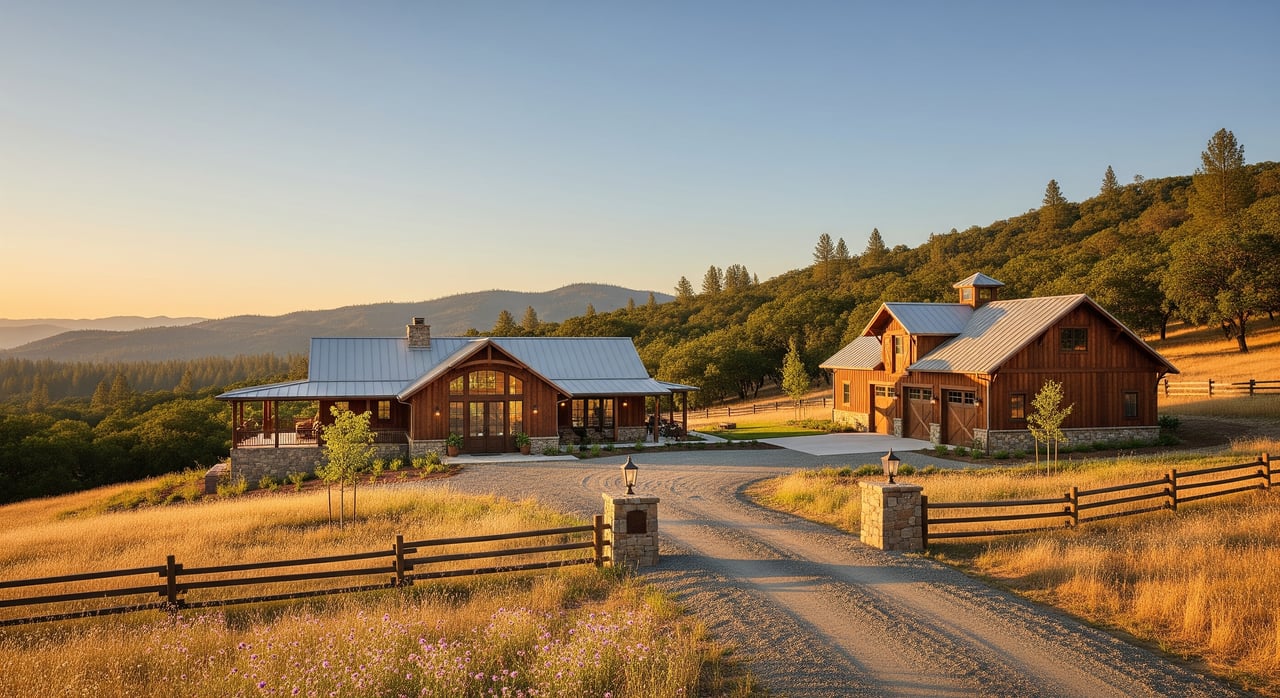
Thinking about trading neighborhood streets for open skies and a little land in Sonora? If you picture mornings with horses, a big garden, or space for a shop, a ranchette might be the right fit. Buying rural property feels different from a typical home search, and you want to avoid surprises with water, septic, access, or fire risk. In this guide, you’ll learn what a ranchette is, what to prioritize in Tuolumne County, the rules that affect use and improvements, and a practical checklist to take on tours. Let’s dive in.
Ranchette basics in Sonora
What a ranchette means
A ranchette is a small rural property set up for lifestyle use or light agriculture rather than full-time commercial farming. Common uses include keeping a few horses or livestock, hobby gardening, and storing equipment in a barn or workshop. You might also find seasonal ponds, small pastures, and simple hay storage for on-site use.
Typical acreage ranges
Across the country, ranchettes usually span 1 to 20 acres. In Tuolumne County, you will see smaller hobby-style parcels in the 1 to 5 acre range and larger lifestyle parcels up to 20 acres or more. Terrain, subdivision, and zoning all influence lot size and how much land is truly usable for pasture, outbuildings, or arenas.
Rural utilities and access
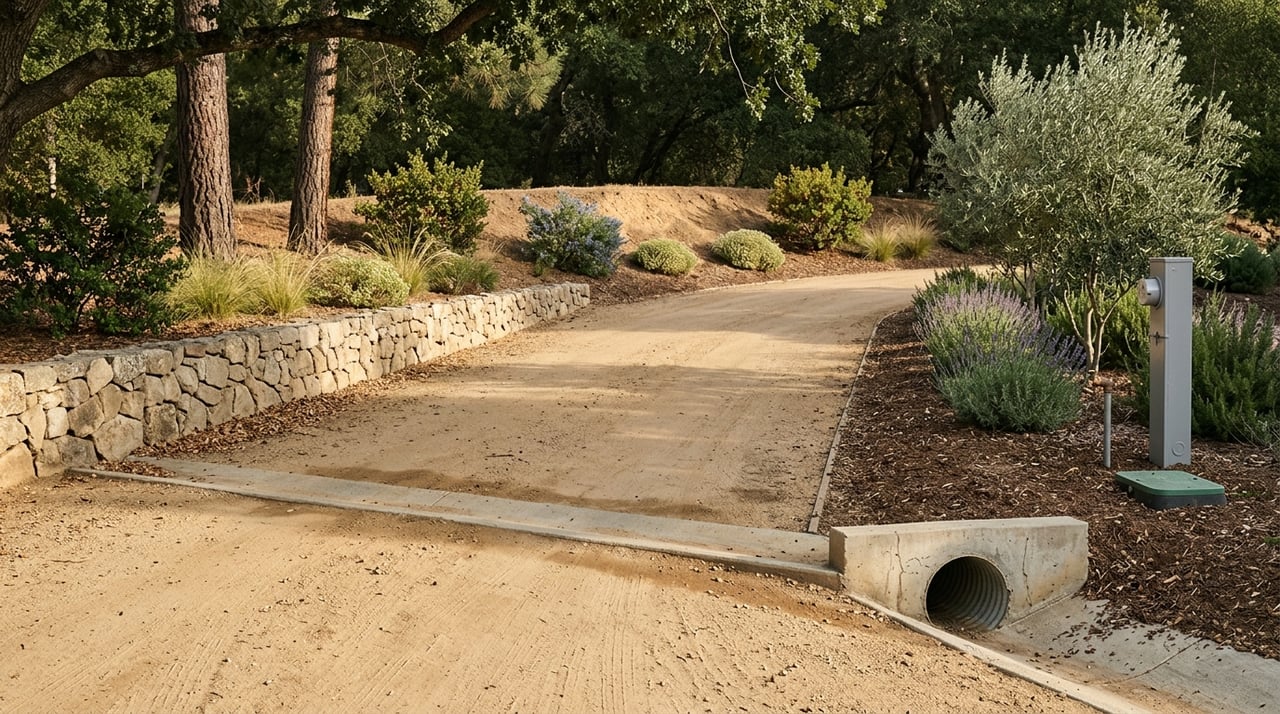
Many Sonora-area ranchettes rely on private wells and septic systems. Electricity is available in most settled areas, while propane and wood stoves are common for heat and cooking on rural parcels. Properties can sit on paved county roads or private dirt roads, which affects year-round access, maintenance, and emergency response.
Key features to prioritize
Water supply and irrigation
Water is the heartbeat of any ranchette. If the property has a private well, confirm yield in gallons per minute, static water level, and well depth through the well completion report and a recent pump test. Schedule a water quality test for bacteria, nitrate, arsenic, and other contaminants. If irrigation matters for pasture or garden, look for water storage tanks, hose bibs near paddocks, and basic irrigation lines. Some parcels have seasonal ponds or stock tanks, and any diversion from streams may be subject to state permitting or water-right rules.
Septic and wastewater
Most rural homes use an onsite septic or OWTS. Ask for permit records, the system’s design capacity, tank age, and service history. If you plan to add bedrooms or build additional structures, you may need system upgrades and county Environmental Health approval.
Access, roads, and easements
Road type matters for both comfort and safety. A paved public road offers predictable access; a private gravel road may require a capable vehicle in wet weather. Confirm road maintenance agreements, gates and lock procedures, and legal access for fire and ambulance services. Review any recorded easements and utility rights-of-way that could affect building placement or usable acreage.
Topography, soils, and drainage
Tuolumne County’s hills are beautiful, but slope impacts how you use the land. Steep terrain limits pasture size, increases erosion risk, and can raise wildfire exposure. Soil type influences pasture quality and septic suitability. Review available soil surveys and pay attention to drainage patterns around buildings and paddocks to prevent mud, odors, and runoff issues.
Fencing and equine amenities
If you plan to keep horses, look for a safe, simple setup. Useful features include a barn with stalls and a tack room, run-in or loafing sheds, paddocks or turnout areas, an arena or round pen, and secure hay storage. Inspect fence height, visibility of the top rail, and any broken boards or dangerous protrusions. Frost-free hydrants, troughs with clean water, and covered feed storage help you manage daily care in all seasons.
Outbuildings and hookups
Outbuilding utility adds major value. Evaluate barn layout, stall count, ventilation, aisle width, and flooring. A separate workshop or equipment barn helps keep tools and tractors organized. Confirm electrical service to outbuildings and that water lines and dedicated circuits are in place for pumps and lighting. A simple, contained area for manure storage or composting reduces odors and can keep you aligned with local expectations.
Fuel, manure, and biosecurity
Plan for safe, code-compliant storage of propane, fuel, and chemicals away from living spaces and water sources. Identify a manure management plan that fits your animal numbers and space. Good hygiene between paddocks and sensible feed storage helps you maintain animal health and reduce pests.
Internet and communications
Broadband can be limited on rural parcels. Ask about available providers, and verify cell coverage in person. Satellite, fixed wireless, or a cellular booster may be your best bet for reliable work-from-home or streaming.
Fire risk and mitigation
Wildfire is a core consideration in Tuolumne County. Look for defensible space around structures, ember-resistant vents, and fire-compatible roofing materials. Confirm that driveways allow large vehicle access and have a turnaround. Water sources like tanks, ponds, or hydrants near the home and barn support firefighting and resilience.
Rules and permits you should know
Zoning and allowed uses
Do not assume that a parcel allows all agricultural uses. Zoning dictates what you can do, including the number and type of animals, accessory buildings, home-based businesses, and short-term rentals. Confirm the property’s zoning and any overlay restrictions with Tuolumne County Planning or Community Development. Subdivision CC&Rs or recorded covenants may further regulate animals, outbuildings, and land use.
Building permits and improvements
Many projects require permits and inspections. This includes new barns, large sheds, home additions, and electrical or plumbing work in outbuildings. Confirm past permits for existing structures and verify that any conversions for livestock housing meet code.
Wells, surface water, and water rights
Drilling a new well or modifying an existing well typically requires permits and reporting. If you plan to divert water from a stream, build or expand a pond, or change a streambed, you may need approvals from state agencies. Ask whether recorded water rights, water shares, or district memberships apply to the parcel.
Septic approvals
Installing, repairing, or expanding a septic system requires county Environmental Health approval. If you want to add bedrooms or a second dwelling unit, plan ahead for soil evaluations and a potential capacity review.
Environmental protections
Work that affects streambeds, wetlands, or sensitive habitat can trigger state or federal permits. Oak woodlands, rangeland, and certain habitat types may require mitigation if grading or removal is planned. Evaluate your project scope early to avoid delays.
Wildfire rules and insurance
Parcels within State Responsibility Areas or mapped Fire Hazard Severity Zones can have additional defensible space or building standards. Insurance availability and cost can vary by location, past fire history, and mitigation in place. Confirm insurability with an agent who understands rural California markets.
Agricultural programs and taxes
Some properties participate in agricultural or open-space contracts that influence property tax assessments. Verify whether the parcel carries any conservation easements or contracts that affect current or future use.
On-tour checklist for Sonora ranchettes
Documents to request
- Recorded parcel map and deed to confirm acreage and easements
- Zoning designation and recent county permits or correspondence
- Well completion report, pump test results, and recent water quality tests
- Septic permits, design details, and service history
- Building permits and occupancy certificates for the home and major outbuildings
- CC&Rs, HOA documents, covenants, or conservation easements
- Fire mitigation or defensible space records if available
- Insurance history and recent utility bills
What to check on-site
- Access and road condition, gates, signage, and distance to pavement
- Driveway grade and trailer or large vehicle maneuverability
- Wellhead condition, water storage tanks, and visible irrigation lines
- Septic tank and drain field location, odors, wet spots, or unusually lush vegetation
- Barns and outbuildings: roof, structure, ventilation, electrical, and water hookups
- Fencing type, height, rail visibility, breaks, and safe gates and latches
- Pasture quality, shade areas, weed pressure, and erosion signs
- Animal handling areas: corral layout, chutes, and safe loading zones
- Fire safety: defensible space, ember-resistant vents, roofing, and water access for firefighting
- Utilities: meter locations, breaker panels, generator setup, propane tanks, and broadband or cell reception
Questions to ask the seller or agent
- How is water billed and metered, and does irrigation have a separate setup?
- Is the well shared, and are there any easements for water use?
- Any septic issues or repairs to disclose?
- Any open or past county violations related to zoning, building, or environmental matters?
- Who maintains the road, what does it cost, and are there winter access issues?
- Were any structures added without permits?
- What animals have lived on the property, and in what numbers?
- Any boundary concerns or neighbor disputes?
Specialist inspections to schedule
- Licensed well contractor or hydrogeologist for capacity testing and water quality
- Septic designer or inspector to evaluate condition and remaining life
- Structural review of barns and major outbuildings by a qualified builder
- Fencing and corral safety review by an equine facility specialist or barn contractor
- Forester or fire mitigation specialist for defensible space and fuels planning
- Soil survey or NRCS-style assessment if you plan grazing, hay, or grading
Local resources and next steps
Helpful agencies and programs include Tuolumne County Planning or Community Development for zoning and permits, Tuolumne County Environmental Health for septic systems, Cal Fire for hazard mapping and defensible space standards, and state water and wildlife agencies for wells, water rights, and streambed work. USDA NRCS and UC Cooperative Extension offer soils, forage, and small-acreage livestock guidance. Local well drillers, septic contractors, fencing installers, graders, and rural-savvy insurance agents can give you realistic cost estimates early.
Smart next steps if you are serious about a Sonora ranchette:
- Confirm zoning and permitted uses before you assume anything about animals, barns, or home businesses.
- Obtain and review well and septic records early during due diligence.
- Budget for wildfire mitigation, road maintenance, and utility upgrades where needed.
- Build a prioritized improvement list, then use it to guide offers and negotiations.
Ready to find the right ranchette and avoid costly missteps? Get local, high-touch guidance from a boutique agent who understands acreage, equine features, and rural due diligence. Reach out to Lisa Vandermeer to start your search.
FAQs
What is a ranchette in Tuolumne County?
- A ranchette is a small rural property, often 1 to 20 acres, used for lifestyle activities like horses, small livestock, gardens, and on-site hay storage rather than full commercial farming.
How many acres do I need for horses in Sonora?
- It depends on zoning, terrain, and your management plan, but many buyers target 5 to 10 acres for multiple horses to allow turnout, a barn, and an arena while maintaining pasture and access.
How do I verify a private well is sufficient?
- Ask for the well completion report, a recent pump test that confirms gallons per minute and static level, and lab results for bacteria, nitrate, arsenic, and other water quality indicators.
What should I know about septic systems on rural homes?
- Confirm the system’s permitted design, tank age, and service history, and check whether planned additions or a second unit will require capacity upgrades and county approval.
What wildfire precautions should I look for on a ranchette?
- Look for defensible space around structures, ember-resistant vents, fire-friendly roofing, a wide driveway with a turnaround, and water access such as tanks or hydrants for firefighting support.
Do I need permits to add a barn or arena?
- Most new or modified barns, large sheds, and utility work require permits and inspections, and zoning or CC&Rs may limit size or placement, so confirm with Tuolumne County before you build.
Can I count on high-speed internet at a rural property?
- Not always; verify providers and speeds during showings, and consider satellite, fixed wireless, or a cellular booster if wired service is limited in your area.