Buying a ranchette in Oakdale can be exciting, but it also comes with questions that do not usually come up on a typical city-lot purchase. You may be looking at acreage, barns, animal space, or room for a future ADU, yet the real decision often comes down to a few practical details: zoning, water, wastewater, and permits. If you understand those early, you can avoid surprises and buy with more confidence. Let’s dive in.
Start With Service Boundaries
One of the first things to confirm is whether the property is inside Oakdale city limits or in a more rural service area. That single detail can affect water, sewer, garbage service, monthly costs, and the level of due diligence you need before closing.
According to the City of Oakdale utility information, the city provides water, sewer, and garbage within city limits. Outside city limits, service may look very different. In many rural areas, Oakdale Irrigation District provides domestic water, and some parcels may rely on a private well and septic system instead.
That is why ranchette buyers should never assume a property has the same utility setup as a nearby in-town home. In Oakdale, utility service is often parcel-specific, and confirming that early can help you estimate costs and understand future property use.
Compare City, District, and Private Utilities
If a property is in the city, utility onboarding is usually more straightforward. The city bills utilities monthly, and the municipal utility billing page notes a $30 setup fee plus a $200 to $300 deposit for new service, depending on payment score.
If the property is on OID domestic water, the fee structure is different. The current OID domestic water new service packet shows a $100 security deposit, a $25.25 new connection fee, a $14.40 monthly immediate-availability charge, and usage charges after the first 1,000 cubic feet. OID also notes that these fees are reviewed annually.
If the parcel uses a private well, your focus shifts from connection fees to condition and compliance. In that case, you will want to review records tied to well construction, function, and any abandonment history.
Ask These Utility Questions Early
Before you get too attached to a property, ask a few basic questions:
- Is the parcel inside Oakdale city limits or in a rural service area?
- Is the water source city water, OID domestic water, or a private well?
- Is wastewater handled by city sewer or a septic system?
- Are there any district assessments, buy-in costs, or meter issues?
- Are utility records and permits available for review?
These questions can shape your inspection strategy, your budget, and even whether the property fits your plans.
Understand Oakdale-Area Zoning Basics
For ranchettes in unincorporated Stanislaus County, two zoning districts often matter most: R-A (Rural Residential) and A-2 (General Agriculture). The Stanislaus County zoning ordinance outlines how these districts work and what they allow.
R-A zoning allows one single-family dwelling and small livestock farming on parcels of one acre or more. On parcels of one acre or more, the county allows 2 horses or 2 cows, or 4 sheep or goats, or a mixed equivalent within per-acre limits.
A-2 zoning is designed to keep agriculture as the predominant land use. In urban-transition areas, animal keeping is limited to the same rules used in R-A unless additional animals are approved.
For buyers, zoning is not just a label on paper. It helps answer practical questions like whether your intended animal use fits the parcel and whether future improvements may be possible.
Building Site Size Depends on Utilities
One detail many buyers miss is that minimum building-site size can depend on the property’s water and wastewater setup. Under the county ordinance, approval of a new building site depends on prior approval of sanitary and water facilities.
The same ordinance states these minimums:
- 8,000 square feet for public sewer and water
- 20,000 square feet for public water plus septic, or private well plus public sewer
- 1 acre for private well and septic
That matters if you are thinking beyond the existing home. If you want to add living space later, split uses, or improve the site, utility setup may affect what is feasible.
Septic Systems Need Careful Review
On rural parcels, septic can be one of the most important due diligence items. Stanislaus County describes septic systems as on-site wastewater systems with a tank, distribution box, and drain field. The county also states that a permit is required for new OWTS construction and for repair or replacement of an existing system, as shown on the county septic system guidance page.
Some sites may require extra review. The county notes that difficult soils or shallow groundwater can trigger additional scrutiny, which is important if you are considering renovations, an ADU, or expanded use.
As a buyer, it is smart to confirm whether the septic system was permitted, whether repairs were done with approval, and whether the system appears sized for the way you plan to use the property.
Private Wells Deserve Extra Attention
If a property has a private well, treat that as a major due diligence category, not a minor detail. Stanislaus County’s well-siting guidelines warn that poorly constructed or abandoned wells can contaminate groundwater, and the Department of Environmental Resources reviews and approves permits for water-production wells.
During escrow, useful records can include:
- Well logs
- Pump age
- Yield or pressure information
- Permit records
- Any records tied to abandoned wells
These documents can help you understand not only whether the well exists, but how it functions and whether there may be future costs or compliance issues.
Verify Outbuildings and Horse Structures
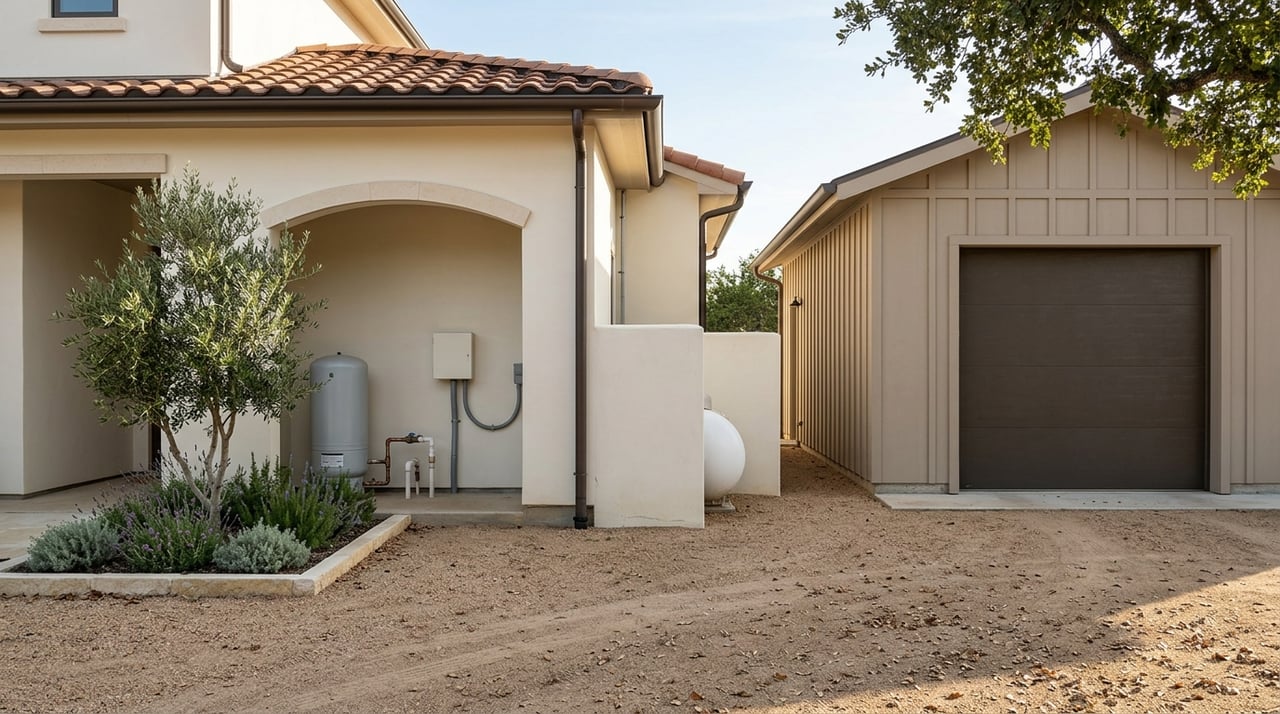
Ranchette buyers are often drawn to existing improvements like barns, shops, sheds, garages, tack rooms, and horse setups. Still, you should verify that these structures were properly permitted instead of assuming they are legal because they are already standing.
The county’s online permit services page shows permit categories for items such as agricultural storage buildings, residential garages under 3,000 square feet, residential storage sheds, electrical service, water line repair, and sewer line repair. The county also notes that permit review may involve Planning, Environmental Resources, Public Works, and the Fire Warden’s Office.
The zoning ordinance defines an accessory building as a subordinate building incidental to the main use, and it defines a private stable as an accessory building or space where horses are kept for private use. For you, the practical takeaway is simple: ask for permit history and final approvals for every major improvement you expect to use.
ADU Potential Is Worth Checking
If you are hoping for multigenerational flexibility, guest space, or future rental use where allowed, an ADU may be part of your plan. Stanislaus County allows ADUs in both R-A and A-2 districts, and the county offers free prechecked ADU plans for property owners in the Oakdale area.
To permit an ADU, the county requires a building permit and a plot plan showing items such as driveway location, easements, well location, existing and proposed septic, and setbacks. That means ADU potential is not just about zoning. It also depends on the physical realities of the site and utility layout.
If an ADU is important to you, confirm feasibility before you close rather than relying on assumptions.
Fire Access and Defensible Space Matter
Some Oakdale-area rural properties sit in landscapes where fire safety planning is especially important. CAL FIRE states that 100 feet of defensible space is required by law, and Stanislaus County’s permit review process includes the Fire Warden’s Office.
For buyers, this is another reason to look beyond the house itself. Driveway access, clearance around structures, vegetation management, and improvement placement can all affect use, safety, and future permitting.
Use a Three-Part Ranchette Checklist
When you evaluate an Oakdale ranchette, it helps to think in three linked categories. The property should make sense on paper, in the ground, and in the permit file.
Check Zoning First
Confirm what the parcel is zoned for and whether your intended use fits the current rules. That includes animals, additional structures, and any future ADU plans.
Check Water and Wastewater
Identify whether the parcel has city utilities, OID domestic water, a private well, city sewer, or septic. Then review the related fees, permits, records, and physical condition.
Check Improvements and Permits
Verify that existing barns, garages, sheds, shops, horse structures, and other improvements were permitted and finaled when required. This step can help you avoid inheriting problems after closing.
Why This Matters for Your Purchase
A ranchette purchase is often more complex than a standard residential transaction, but that does not mean it has to feel overwhelming. When you focus on service boundaries, zoning, utilities, and permits early, you can spot red flags faster and make better decisions with fewer surprises.
If you are comparing Oakdale acreage or trying to understand whether a specific parcel fits your plans, working with a local guide can make the process much clearer. Lisa Vandermeer offers straightforward, data-informed support for buyers navigating Oakdale ranchettes, land, and rural property decisions.
FAQs
What utilities should you verify before buying an Oakdale ranchette?
- You should confirm whether the parcel has City of Oakdale utilities, OID domestic water, a private well, city sewer, or septic, because each setup affects cost, due diligence, and future property use.
What zoning matters most for Oakdale ranchette buyers?
- In unincorporated Stanislaus County, R-A and A-2 are two key zoning districts to review because they affect dwelling use, animal allowances, and future improvements like ADUs or accessory buildings.
What should you ask about a septic system on a Stanislaus County rural property?
- You should ask whether the septic system was permitted, whether any repairs or replacements were approved, and whether the system appears appropriate for the intended use of the property.
What well records are important when buying an Oakdale-area rural parcel?
- Helpful records include well logs, pump age, yield or pressure information, permit records, and any documentation related to abandoned wells.
What permit issues should you check for barns and sheds on an Oakdale ranchette?
- You should verify permit history and final approvals for barns, garages, shops, sheds, tack rooms, horse structures, and other outbuildings instead of assuming existing structures are automatically compliant.
What should you know about ADUs on Oakdale-area acreage?
- ADUs are allowed in R-A and A-2 districts in Stanislaus County, but approval still depends on site details like driveway location, easements, setbacks, and well or septic layout.