Wondering whether living near the Sausalito Ferry is all postcard views and weekend charm, or if it actually works for daily life? If you are thinking about buying in this part of Marin, you probably want more than a pretty waterfront setting. You want to know how the commute feels, what the housing looks like, and what trade-offs come with the location. Let’s dive in.
Ferry commute and daily rhythm
Living near the Sausalito Ferry means living close to the downtown landing at Humboldt and Anchor Streets. Golden Gate Ferry runs daily service between Sausalito and San Francisco, except on New Year’s Day, Thanksgiving, and Christmas Day. The one-way ride is about 30 minutes across a 5.5-nautical-mile route.
That commute can feel practical, not just scenic. Current weekday service is commuter-oriented, with departures spread through the day rather than running nonstop. For many buyers, that makes the ferry a real part of a work routine instead of a novelty.
The schedule still matters. Departure intervals can range from about 15 to 120 minutes depending on the day and season, so you are not stepping onto a boat every few minutes. If you rely on the ferry regularly, your day will likely take shape around published departure times.
Fares are also part of the math. Current adult one-way fares are $8.25 with Clipper or a contactless bank card, or $14 with a paper ticket. Golden Gate has also said fares will increase on July 1, 2026.
If you are buying with commuting in mind, that timing detail is important. Riders without tickets are advised to arrive at least 20 minutes before departure, and tickets can be purchased at terminal machines in Sausalito. In other words, ferry living often rewards a little planning.
Housing near the ferry
Sausalito is compact. The city is just 2.257 square miles, so living near the ferry tends to feel built-in and connected rather than spread out. You are not looking at a large suburban pattern here.
The waterfront itself helps explain the housing mix. Sausalito’s shoreline stretches about 4 miles and includes a promenade, boardwalk, park and beach areas, and working-waterfront segments. Around the waterfront, zoning includes a notable share of high-density residential and commercial waterfront uses.
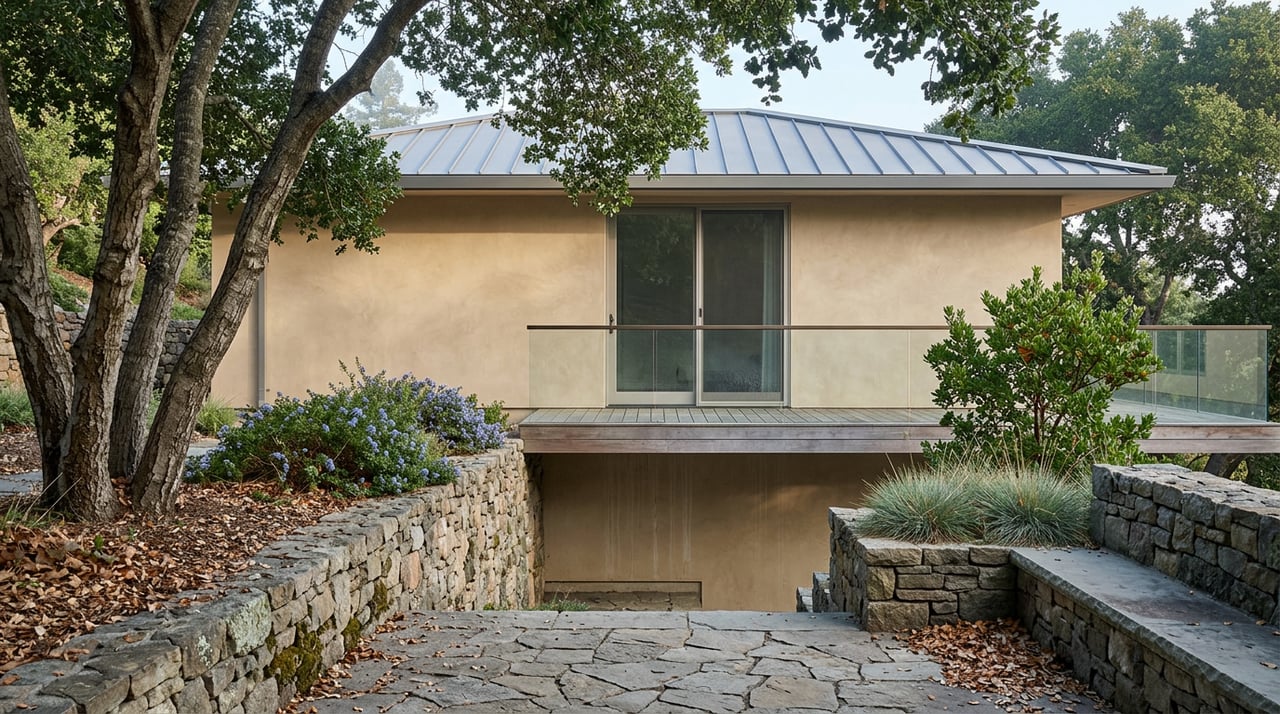
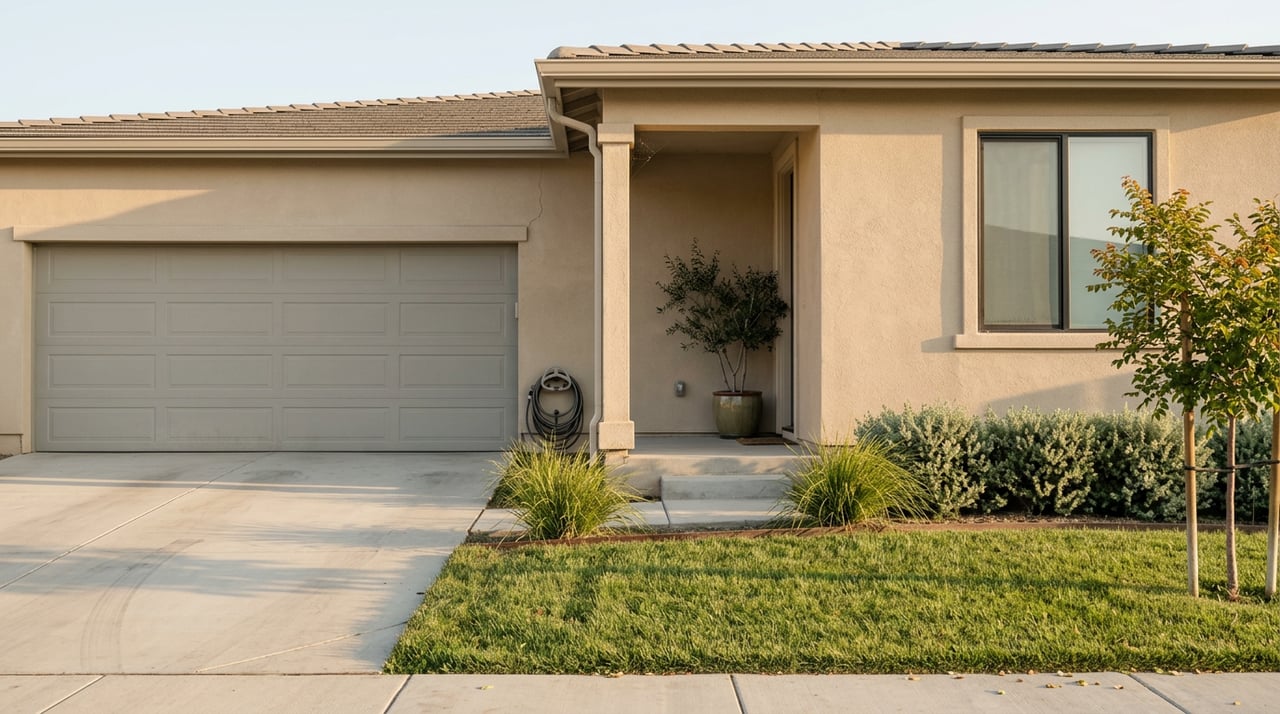
For you as a buyer, that usually means more variety in home types near the ferry. You may see multi-unit buildings near downtown, with more traditional homes on nearby residential streets. It is a mixed environment, not a uniform area of detached homes with large lots.
There is also a longer-term housing story to keep in mind. Sausalito’s housing-element rezoning work says the city must ensure zoning can support at least 724 new housing units through 2031. That does not tell you exactly what any one block will look like in the future, but it does offer useful context for long-term supply and planning.
What the waterfront lifestyle feels like
One of the biggest draws is that the ferry area is not only about transportation. It is part of a real waterfront routine, where walking to the dock, strolling along the shoreline, or spending time in nearby parks can become part of everyday life. That is a different feel from a location that only comes alive during commute hours.
The city has invested in this area recently. In September 2025, Sausalito celebrated a revamped Ferry Plaza with enhanced pedestrian and bicycle pathways, improved queuing zones, accessible parking, upgraded landscaping, and a new pedestrian promenade. A separate Bridgeway streetscape project in early 2026 also aimed to make the corridor safer and more functional.
These improvements matter because they shape your day-to-day experience. If you live nearby, you are not just buying close access to a dock. You are buying into a more walkable and better organized public space around one of the city’s most active areas.
Nearby parks add another layer to the lifestyle. Gabrielson Park sits at Humboldt and Anchor in downtown Sausalito, and Dunphy Park offers shoreline access at Bridgeway and Napa. Marinship Park is also part of the city’s park system.
Gabrielson Park is especially tied to the feel of the neighborhood. It hosts city events such as Jazz & Blues by the Bay, which helps explain why the area can feel lively during the summer months. If you enjoy being close to public activity and waterfront energy, that can be a plus.
For walking and biking, the Bay Trail strengthens the appeal. It is a regional shoreline network designed for recreation and active transportation, and the Richardson Bay and downtown Sausalito area are noted for shoreline views and birding. That gives the ferry district a broader outdoor connection beyond the terminal itself.
Parking and access trade-offs
Parking is one of the biggest practical considerations near the Sausalito Ferry. Downtown Sausalito has five paid public parking lots, plus street parking, resident parking cards, and commuter discounts through ParkMobile. That sounds helpful, but availability is still first come, first served.
Some nearby streets also have 2-hour limits or resident permit zones. The city says resident passcards can provide up to three free hours in downtown lots, excluding the Sausalito Yacht Harbor Lot. If you are moving from a place with easy private parking, this is a lifestyle adjustment worth taking seriously.
This is one reason many buyers find the area works best when they like walking and can live a little lighter on the car. Golden Gate says bikes are accommodated on Sausalito ferries, and several bike parking zones are located very close to the landing. That can make the ferry easier to use if you prefer combining biking and transit.
In practical terms, the location may feel easiest if you are comfortable with compact living patterns. You may walk more, pay more attention to parking rules, and think ahead about how you get to and from the terminal. For the right buyer, that trade-off is part of the appeal rather than a drawback.
Coastal realities buyers should know
Buying near the water also means paying attention to shoreline conditions. The city says Sausalito’s 2.5 miles of shoreline are vulnerable to sea level rise. Its Shoreline Adaptation Plan is intended to reduce flooding risk while preserving recreation, transportation corridors, utility corridors, and Bay access.
That does not mean every property near the ferry faces the same level of concern. It does mean coastal resilience should be part of your decision-making process if you are considering this area. A waterfront address can come with planning and infrastructure questions that matter over time.
This is one of those topics where it helps to be practical. Views, walkability, and ferry access are real benefits, but so is understanding how a small coastal city is preparing for future shoreline conditions. The more clearly you weigh both sides, the more confident your decision can be.
Who this location fits best
Living near the Sausalito Ferry tends to suit buyers who want a compact waterfront lifestyle with built-in access to downtown and San Francisco. It can be a strong fit if you like the idea of walking to the water, using transit as part of your routine, and living in an area with active public spaces. The setting feels connected, visible, and distinctly coastal.
It may be less ideal if you want a quiet, car-centered pattern with easy parking and a more suburban street layout. Sausalito’s size, waterfront activity, and downtown circulation all shape the experience. The same features that make the area appealing can also require flexibility.
Overall, living near the ferry is best understood as a balance. You get scenic and practical ferry service, access to parks and shoreline paths, and the convenience of being close to town. In return, you need to be comfortable with parking management, published ferry schedules, and the realities of living in a compact waterfront corridor.
If you are weighing whether this lifestyle matches your goals, the smartest next step is to compare the daily rhythm, housing mix, and access points against how you actually want to live. For thoughtful, data-informed guidance as you sort through your options, connect with Lisa Vandermeer.
FAQs
What is the ferry commute like from Sausalito to San Francisco?
- Golden Gate Ferry describes the Sausalito to San Francisco trip as about 30 minutes one way, with daily service except on New Year’s Day, Thanksgiving, and Christmas Day.
What kind of homes are near the Sausalito Ferry?
- Homes near the ferry are usually part of a mixed housing pattern that includes multi-unit buildings near downtown and more traditional homes on nearby residential streets.
Is parking difficult near the Sausalito Ferry area?
- Parking can be one of the main trade-offs because downtown lots are first come, first served, some streets have time limits, and certain areas require resident permits.
Can you bike to the Sausalito Ferry terminal?
- Yes. Golden Gate says bikes are accommodated on Sausalito ferries, and several bike parking zones are located very close to the landing.
Are there parks near the Sausalito Ferry terminal?
- Yes. Nearby public spaces include Gabrielson Park, Dunphy Park, and Marinship Park, with waterfront access and city events helping shape the area’s day-to-day feel.
Should buyers near the Sausalito waterfront think about sea level rise?
- Yes. The city says parts of Sausalito’s shoreline are vulnerable to sea level rise, so buyers near the water should treat shoreline resilience as a practical part of their decision.